News

When the temperatures drop in Summerton, nothing feels as comfy as turning up the heat and cozying up indoors. Your furnace works hard to keep your South Carolina home toasty, but continuous heating also dries indoor air.

Homeowners across the country are rethinking the traditional gas furnace and opting for heat pumps instead.

What’s at the top of your fall to-do list in Manning? Make sure it is your furnace.
Prepping your heating, ventilation, and air conditioning (HVAC) system for winter not only enhances your safety and your furnace’s efficiency, it can help keep your repair budget in line during cold weather.
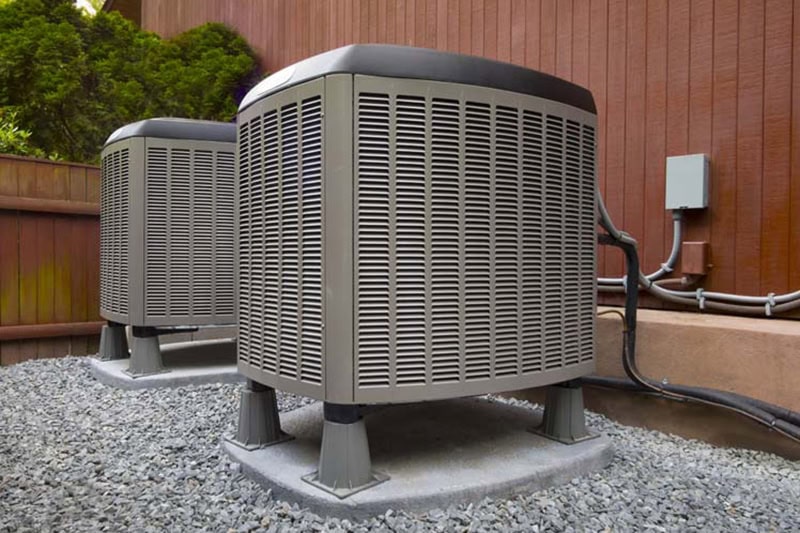
Let’s face it—buying a new air conditioning system or furnace isn’t exactly the kind of shopping spree you daydream about. There’s no “add to cart” satisfaction here—just a hefty price tag and a lot of questions.
Air conditioning is essential in Manning, where long summers, heavy humidity, and extended stretches of hot weather place cooling systems under constant pressure. In Clarendon County, AC systems are expected to do more than cool the air – they also have to manage moisture, airflow, and indoor comfort during months of sustained demand. This guide…

A good night’s sleep is essential for your overall health and well-being. Sleep affects everything from your mood and energy levels to your immune system and physical health. That’s why maintaining a comfortable sleeping environment is so important, especially during warm nights when high temperatures can disrupt your rest.

You can save between 5 and 15 percent of the energy used for your air conditioning by changing your filter along with other energy-saving actions.

According to the U.S. Department of Energy, central air conditioning systems have a service life of approximately 15 to 20 years.
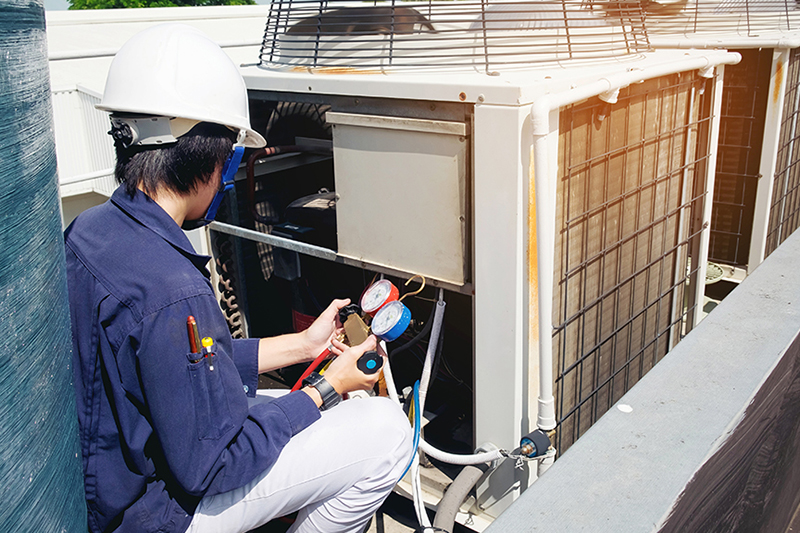
Businesses in Summerton rely heavily on their commercial air conditioning systems to maintain a comfortable environment for employees, customers, and equipment.
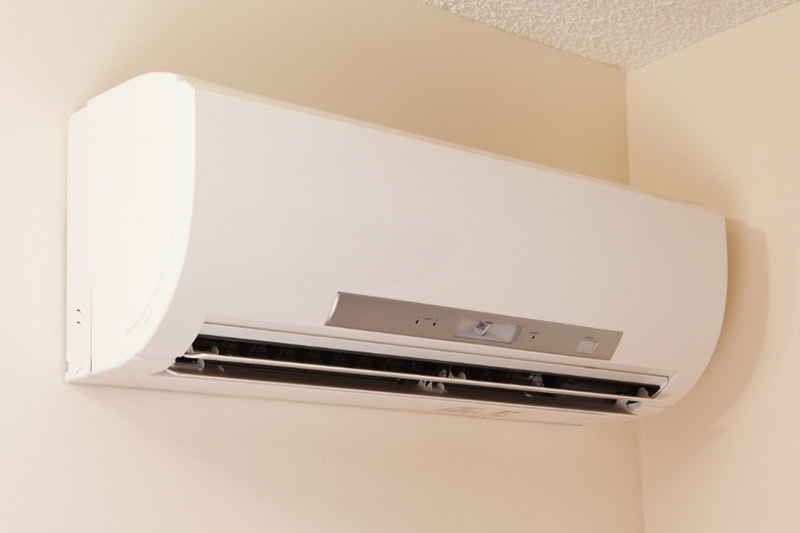
They’re called ductless mini splits because they don’t require ductwork and consist of two main components—a compact indoor air handler and an outdoor compressor—connected by refrigerant lines. This “split” design allows for efficient, targeted heating and cooling in specific areas.